
School News丨欢迎光临!一个由孩子们重新想象的世界
十月底,FLIS幼儿园小朋友们
将学生中心变成了一座“小城市”。
十三座房子依次排开:
高的、矮的、会透光的、故意弄得很暗的,
没有一座长得一样;
从「要盖什么」到「怎么盖」,
每一个决定都出自孩子。
In late October,
the ECE students transformed
the student center into a “little city.”
Thirteen houses were lined up in a row:
some tall, some short,
some letting in light,
and some deliberately kept dark—
not a single one looked the same.
From “what to build” to “how to build it,”
every decision was made by the students.
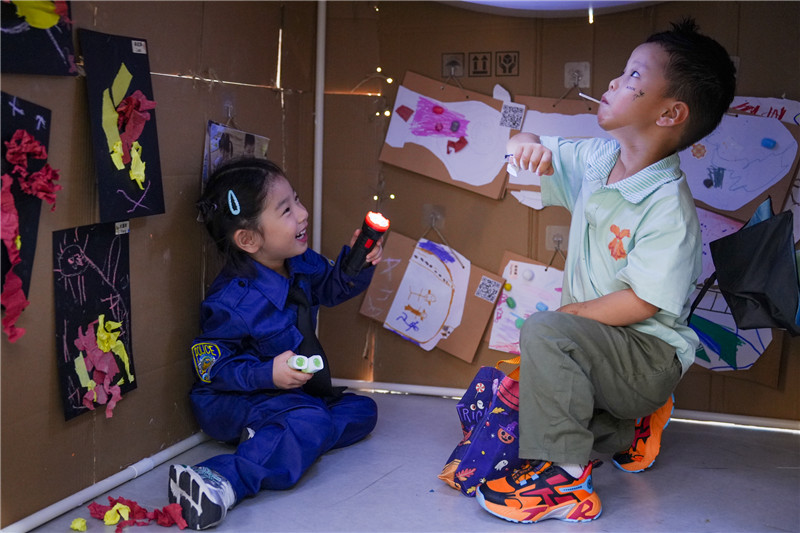
See|观看 是 世界诞生 的 第一步
光进入窗户以后会落在哪里?
影子为什么忽长忽短?
公园里的落叶是什么颜色,家里的青花碗上画着什么图案?
环视我们身边的世界,大人习以为常的事物与现象,
在孩子看来全是灵感和素材。
小朋友们细细打量自己每天经过的地方,
房子的设计图就这样一步步诞生……
Where does the light fall after it enters the window?
Why do shadows get longer and shorter?
What color are the fallen leaves in the park, and what patterns are painted on the blue-and-white porcelain bowls at home?
When we look around at the world around us, the things and phenomena that adults take for granted are all sources of inspiration and material to children.
As the children carefully examine the places they pass by every day,
the architectural plans for the house take shape, step by step…
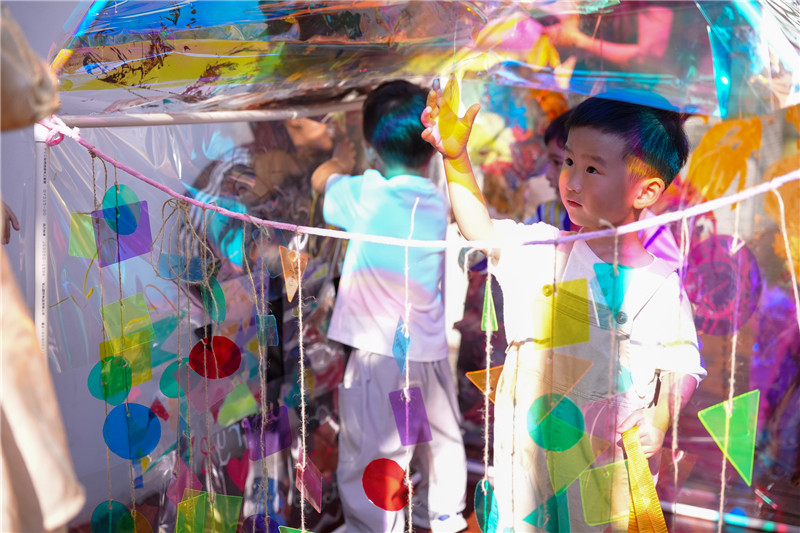
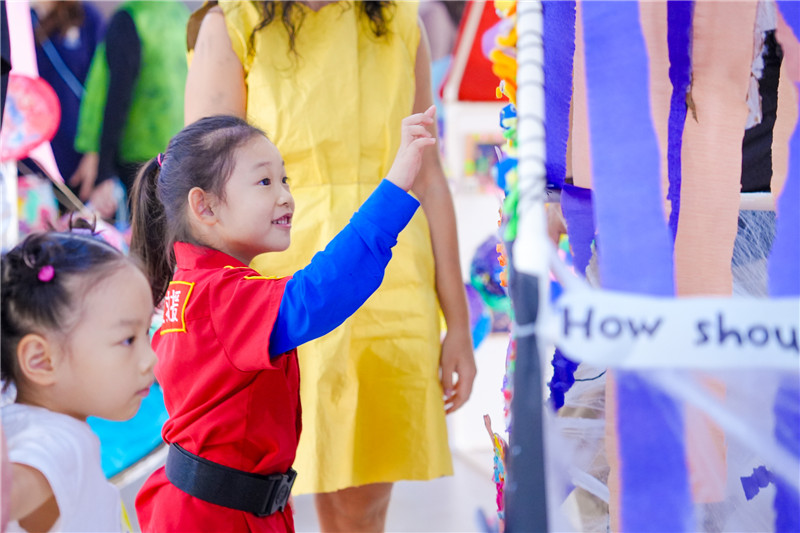
Imagine|想像 是 千百种可能 的 碰撞 与 共鸣
森林里为什么只能有一个月亮?
火箭一定要飞去已知的星球吗?
万圣节的小屋,可不可以真的很吓人?
孩子提出问题,然后争论、协商、投票,一起敲定结果。
这些讨论也很有价值,因为体现了探究的过程:
做出假设、寻找证据、说服同伴,或求同存异。
Why can there only be one moon in the forest?
Do rockets have to fly to known planets?
Can a Halloween cabin be really scary?
The children ask questions, then debate, negotiate, and vote to reach a decision together.
These discussions are also valuable because they reflect the process of inquiry:
forming hypotheses, seeking evidence, persuading peers, or finding common ground while respecting differences.
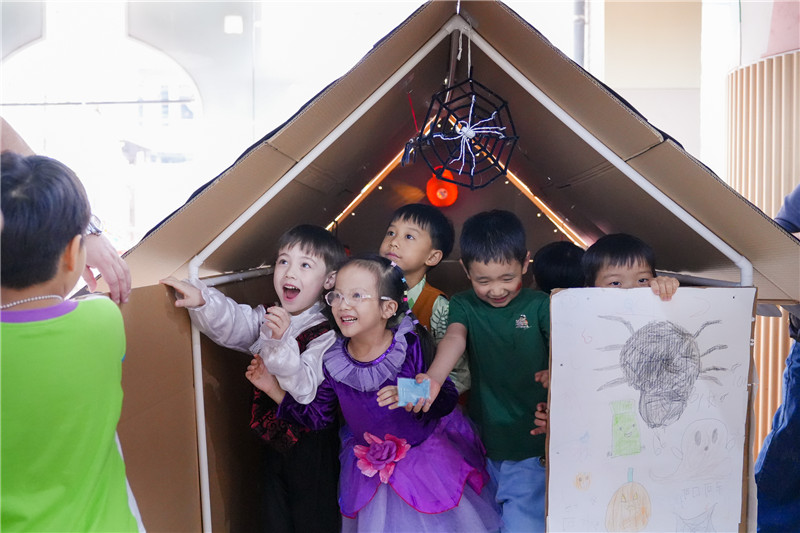
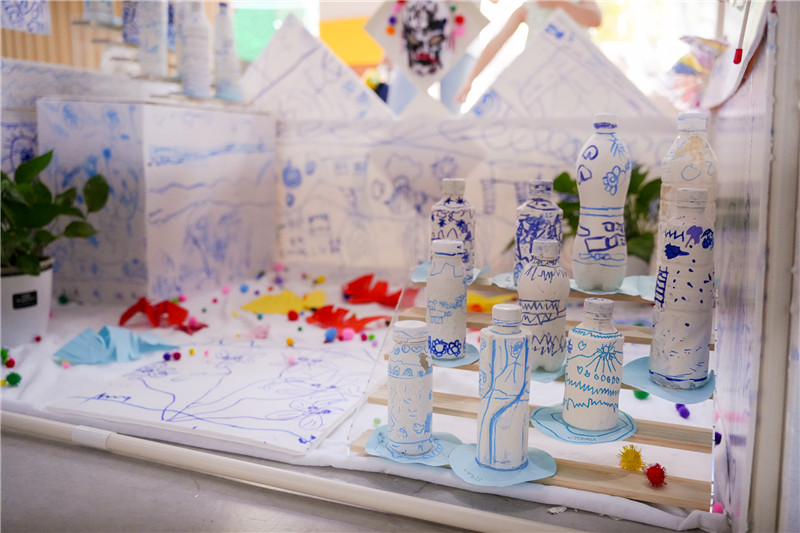
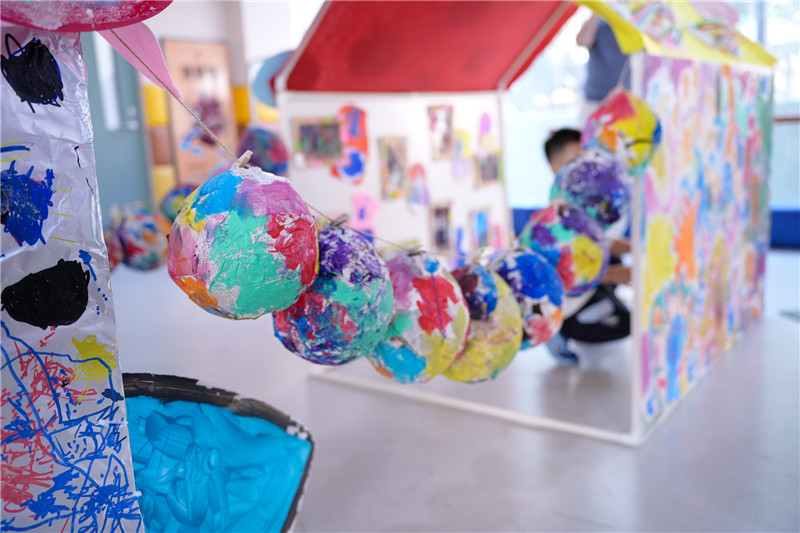
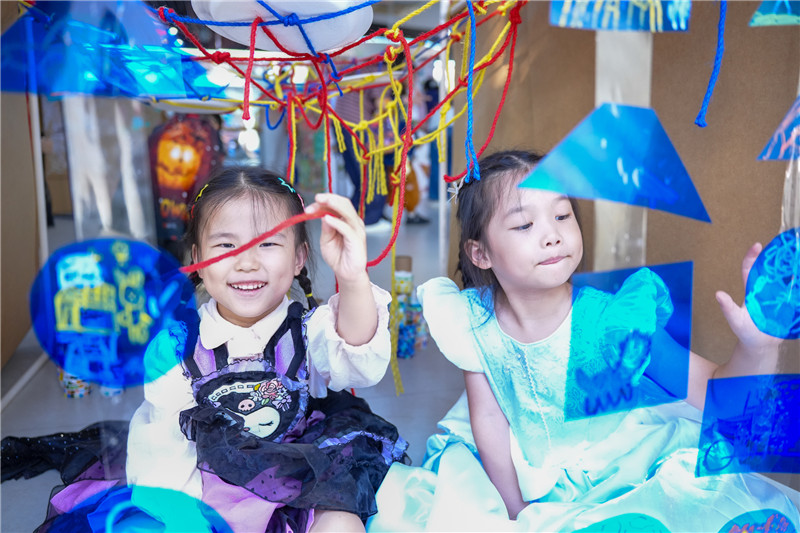
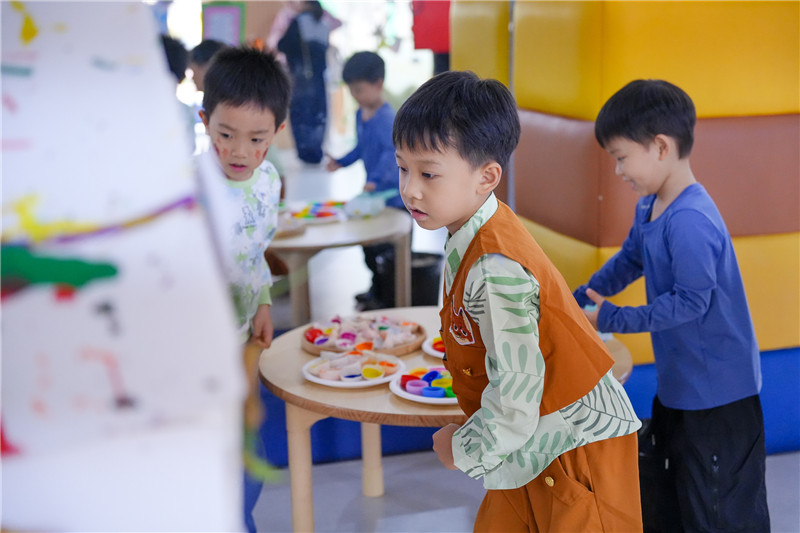
Create|那天 我们一起 动手 创作
纸、布、颜料、树枝、回收的瓶罐,物尽其用。
做坏了就改,改了再试验。
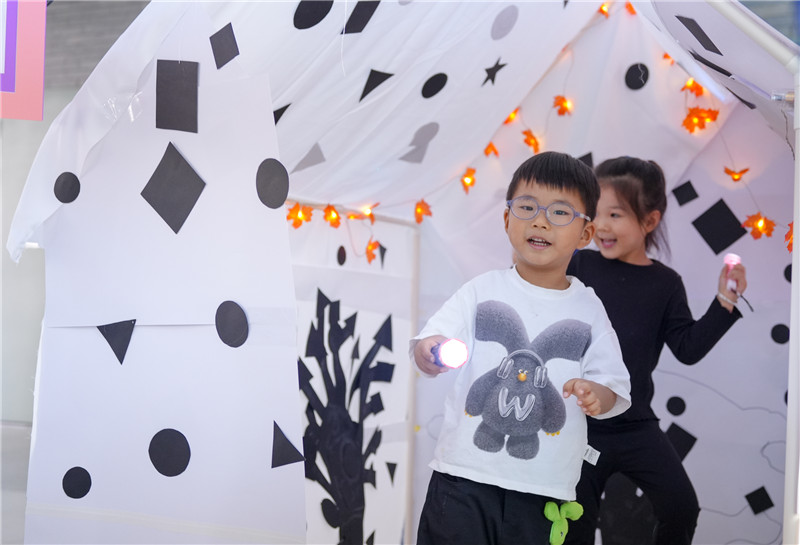
有的房子靠阳光完成,有的要拿手电筒才看得清;
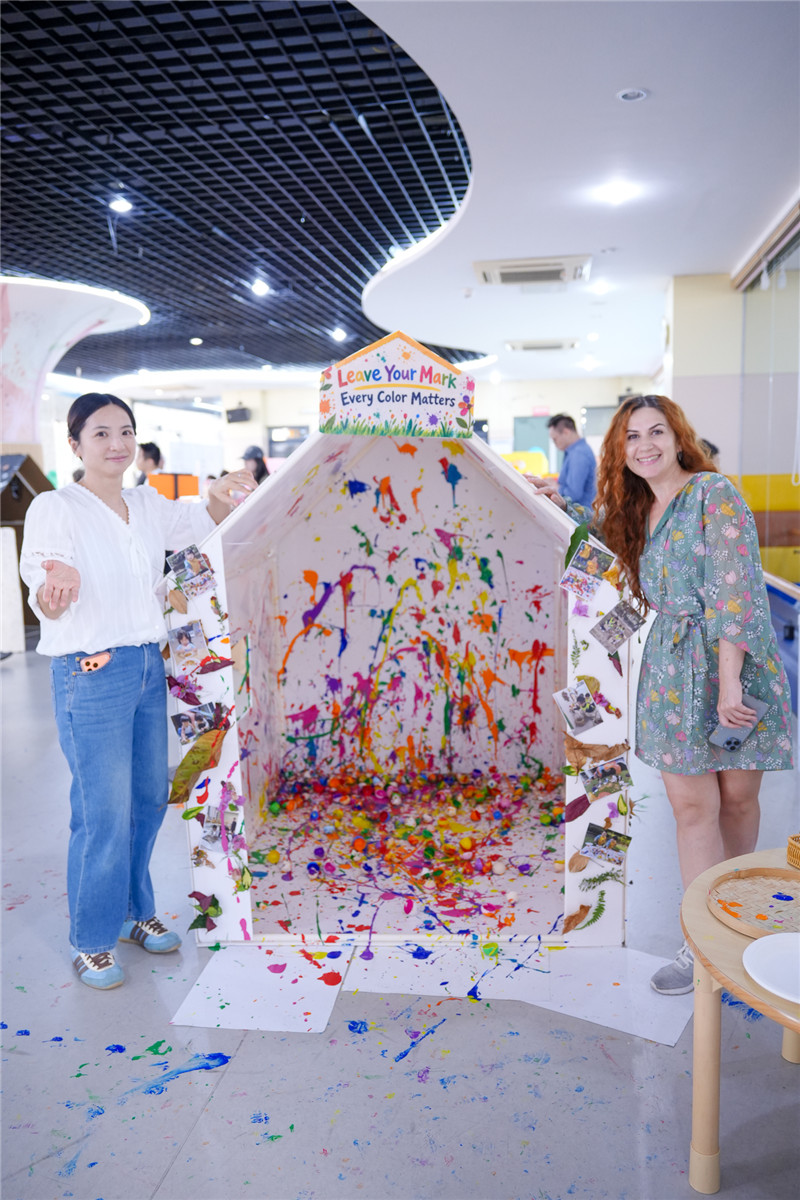
有一座房子直到展览当天才完成——
参观者把装满颜料的蛋壳扔上去,
每扔一次,它就变化一次。
孩子把「完成」的权力,交给了观展的人。
Paper, fabric, paint, twigs, recycled bottles and cans—everything is put to good use.
If something goes wrong, we fix it; once fixed, we try again.
Some houses are completed by sunlight, while others require a flashlight to see clearly;
one house wasn’t finished until the day of the exhibition—
visitors threw eggshells filled with paint onto it,
and with each throw, it changed.
The children handed over the power to “complete” the work to the exhibition visitors.
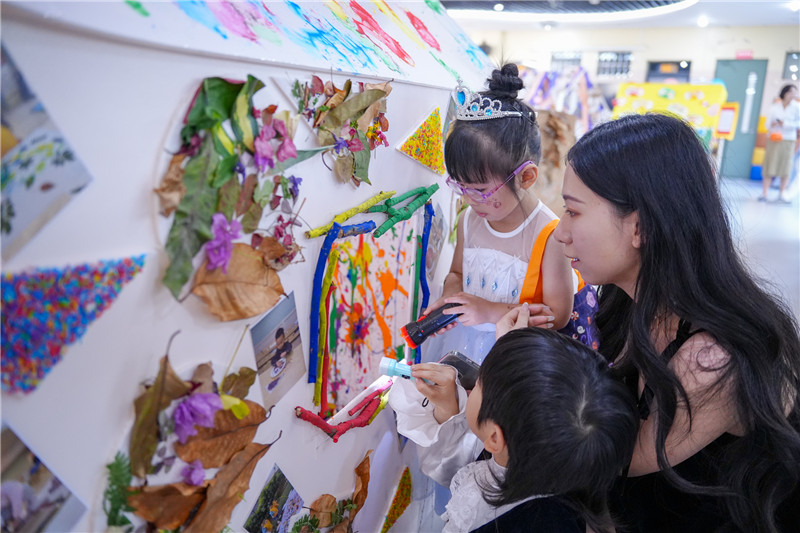
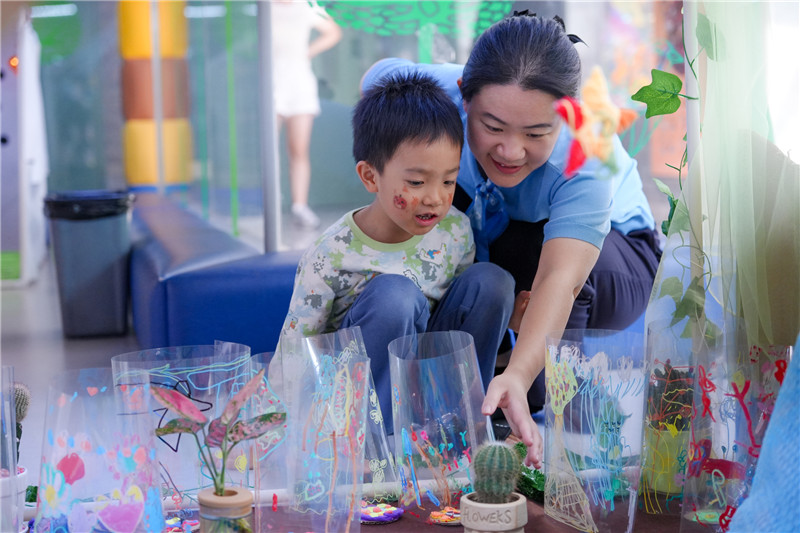
对孩子而言,十三座小屋可能只是校园生活中的一页掠影;但在打造「重新想象的世界」的过程中,我们希望孩子可以成为学习的主人,而非被安排的对象:他们可以自行决定主题、分配工作、解决冲突、调整策略……老师站在一旁负责提问,而不是直接给予答案。这也正是IB“学习者能动性”(Learner Agency)所强调的——激发学子的学习能动性,让他们愿意全情投入到学习之中来。
For ECE students, the Thirteen little houses may be just a fleeting glimpse of campus life; but in the process of building a “reimagined world,” we hope that students can become the masters of their own learning, rather than merely following instructions: they can decide on themes, assign tasks, resolve conflicts, and adjust strategies on their own… Teachers stand by to ask questions, rather than directly providing answers. This is precisely what the IB’s “Learner Agency” emphasizes—stimulating students’ initiative in learning so that they are willing to fully immerse themselves in the learning process.
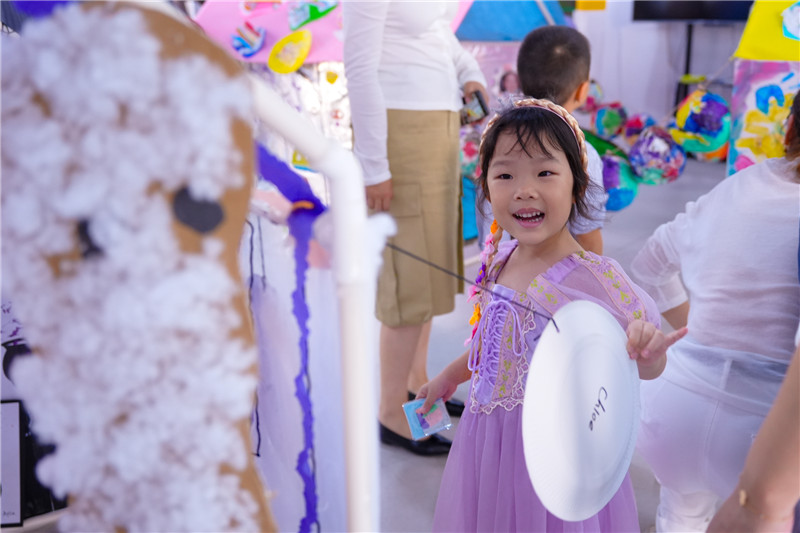
A World Reimagined by Children——
世界不是被教授的样子,
是被孩子重新看过、想过、构建过一遍的样子。
来看展时,记得蹲下来,
用孩子的高度看一次,
或许会有不一样的发现!
A World Reimagined by Children—
The world isn’t what we’re taught it to be;
it’s the way children have seen, imagined, and reconstructed it.
When you visit the exhibition, remember to crouch down
and take a look from a child’s perspective—
you might discover something new!
No.72 North Meng Shan Road, Gulou District, Fuzhou, Fujian Province, China
地址:中国福建省福州市鼓楼区北梦山路72号
0591-28066277 0591-83155555
