
FLIS TALK丨MYP性教育讲座:聊聊青春期那些小烦恼
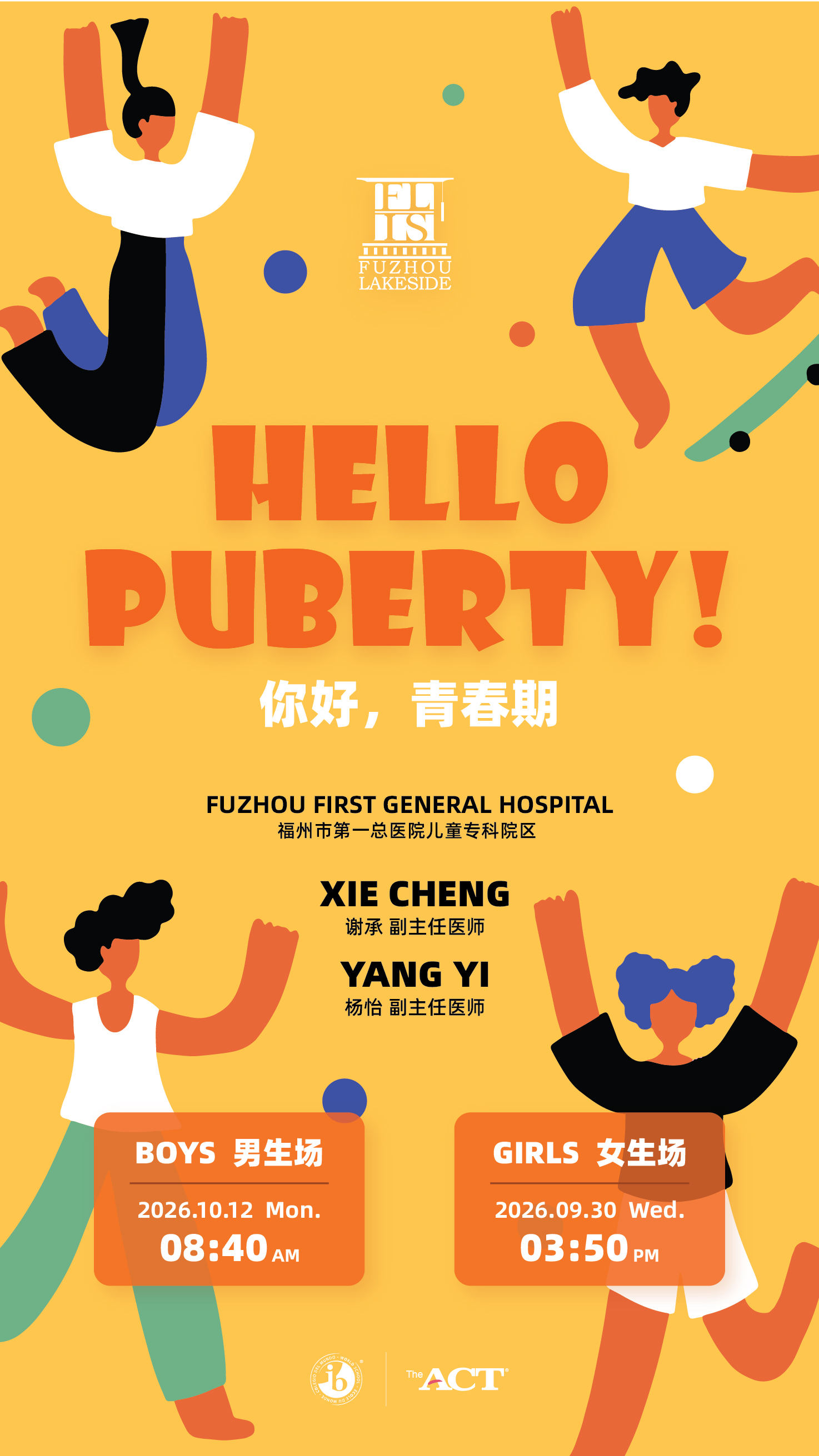
青春期是人类的第二个生长高峰期。在这个阶段,青少年生理及心理层面发生了许多变化,第二性征的出现往往带来疑问,而每个人处理疑问的方式不同:有些人开始「谈性色变」,觉得尴尬且难以启齿,有些人以轻佻的态度处之、取笑他人,更需警惕的一种情况是,一些孩子因对相关知识缺乏了解,从而容易受到错误信息的影响、甚至成为受侵害的对象。及时开展性教育的重要性不言而喻。
Most people experience one prominent growth spurt during early to mid-puberty. During this stage, adolescents undergo many physical and psychological changes, and the emergence of secondary sexual characteristics often raises questions—questions that everyone handles differently: Some become “terrified of the topic of sexuality,” finding it embarrassing and difficult to discuss, while others treat it with a flippant attitude or make fun of others. An even more concerning situation is when some children, due to a lack of relevant knowledge, are easily influenced by misinformation or even become victims of abuse. The importance of timely sexuality education goes without saying.
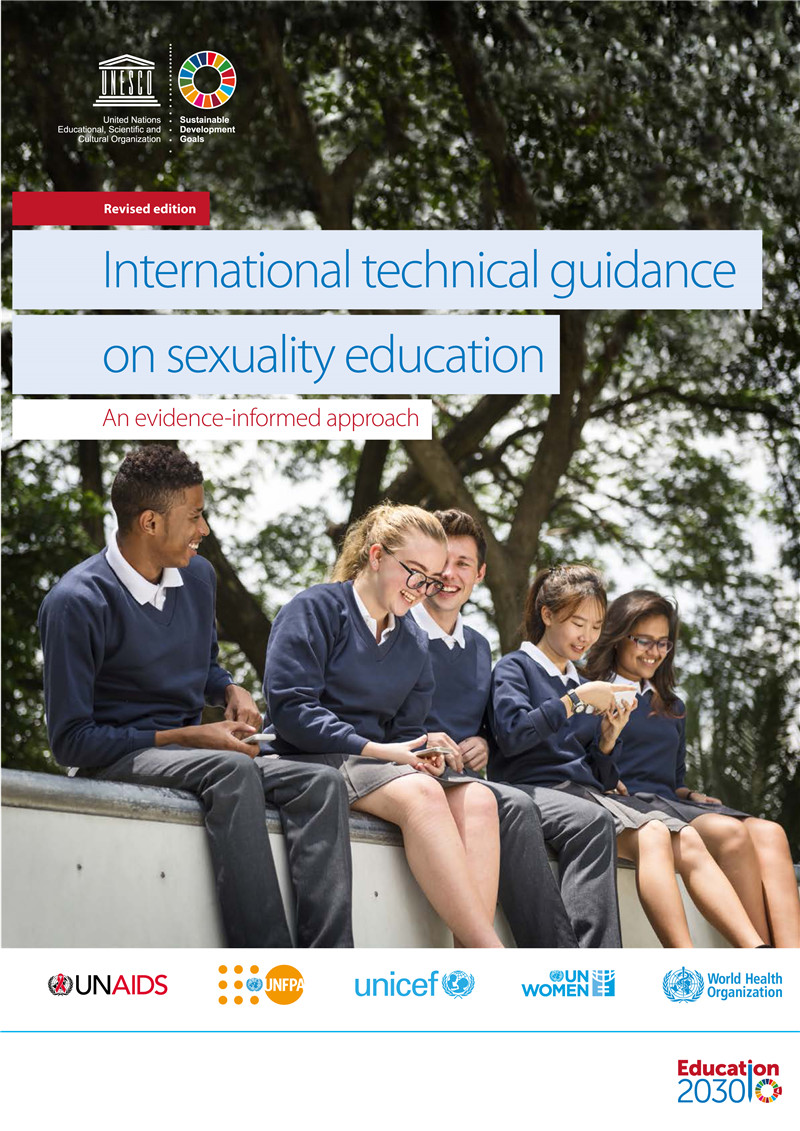
谈论一项事物往往由定义开始。那么,我们该如何定义「性」?据世界卫生组织颁布的《国际性教育技术指导纲要》,「性」可以被理解为是人的一个核心维度,它包括了:人对身体的理解和人与身体的关系;情感依恋和爱情;生理性别;社会性别;社会性别认同;性倾向;性亲密;性愉悦和生殖。性的概念非常复杂,涵盖了生理、社会、心理、精神、宗教、政治、法律、历史、伦理和文化等维度,且伴随人的一生持续发展。
Discussions about a topic often begin with a definition. So, how should we define “sexuality”? According to the *International Technical Guidance on Sexuality Education* published by the World Health Organization, "Sexuality" may thus be understood as a core dimension of being human which includes: the understanding of, and relationship to, the human body; emotional attachment and love; sex; gender; gender identity; sexual orientation; sexual intimacy; pleasure and reproduction. Sexuality is complex and includes biological, social, psychological, spiritual, religious, political, legal, historic, ethical and cultural dimensions that evolve over a lifespan.

澳门青年研究协会曾下发问卷,就澳门部门中学生对性教育看法、性教育需求等话题展开调研。通过精研回收的667份有效问卷,研究人员发现,当代澳门青少年平时主要了解性知识的渠道为各类影视剧,但从学子自身意愿来看,不少人表示更希望学校能开设相关课程,且有四成多中学生会选择与同学、朋友等同龄人共同学习性知识。
The Macau Youth Research Association previously distributed a questionnaire to conduct a survey on topics such as the views and needs of Macau middle school students regarding sexuality education. After carefully analyzing the 667 valid responses collected, researchers found that the primary source of sexual knowledge for Macau youth is various TV shows and movies. However, when asked about their own preferences, many students indicated that they would prefer schools to offer relevant courses, and more than 40 percent of middle school students said they would choose to learn about sex education alongside peers such as classmates and friends.
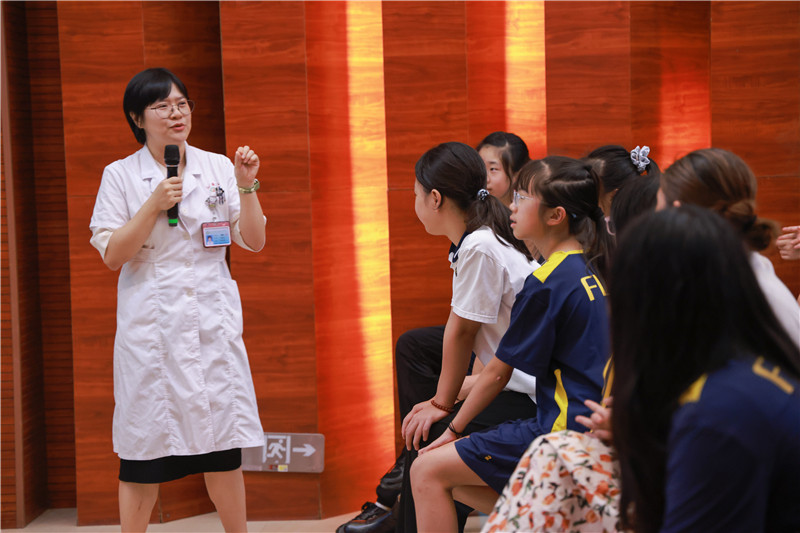
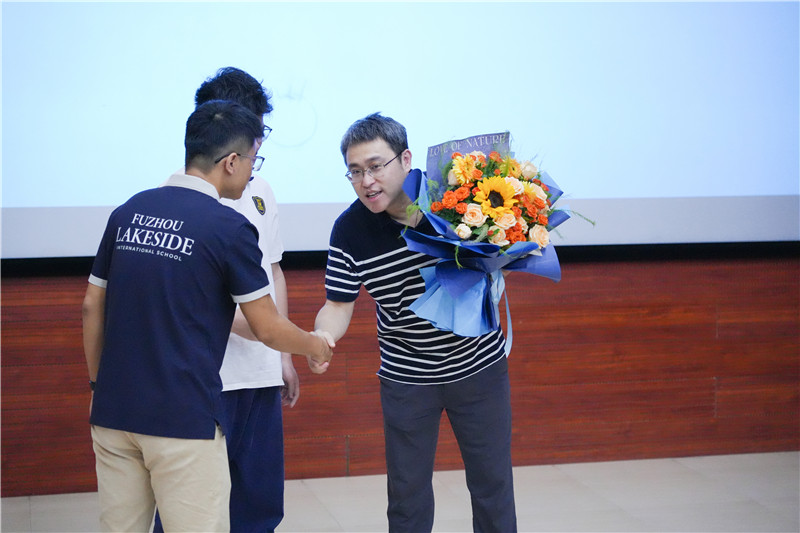
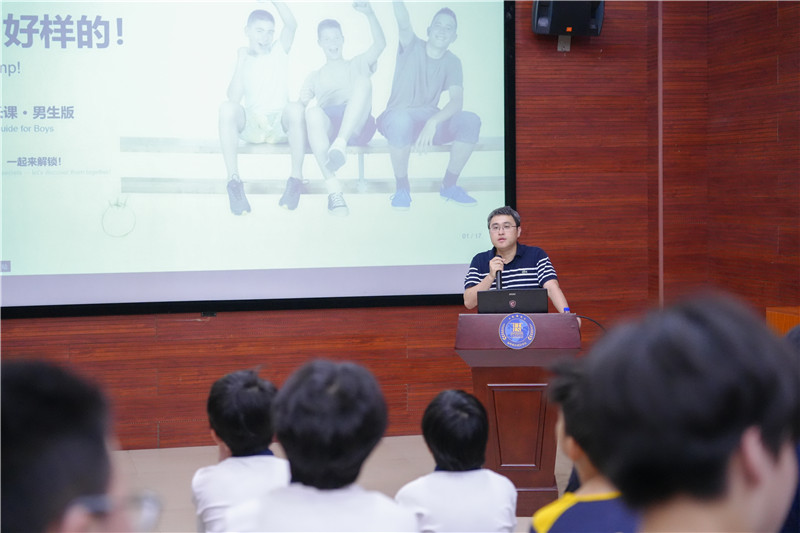 为令青少年能够获得准确且适龄的性知识与态度,建立积极的价值观以及安全、健康的人际关系,近日,福州西湖国际学校(FLIS)特邀福州市第一总医院儿童专科院区专家,在MYP王牌讲座栏目FLIS TALK开展两场性教育知识讲座。
To ensure that adolescents have access to accurate, age-appropriate information about sexuality and develop positive values and safe, healthy interpersonal relationships, Fuzhou Lakeside International School (FLIS) recently invited experts from Children’s Specialty Center, Fuzhou First General Hospital to deliver two lectures on sexuality education as part of the FLIS TALK series, a flagship program of the MYP.
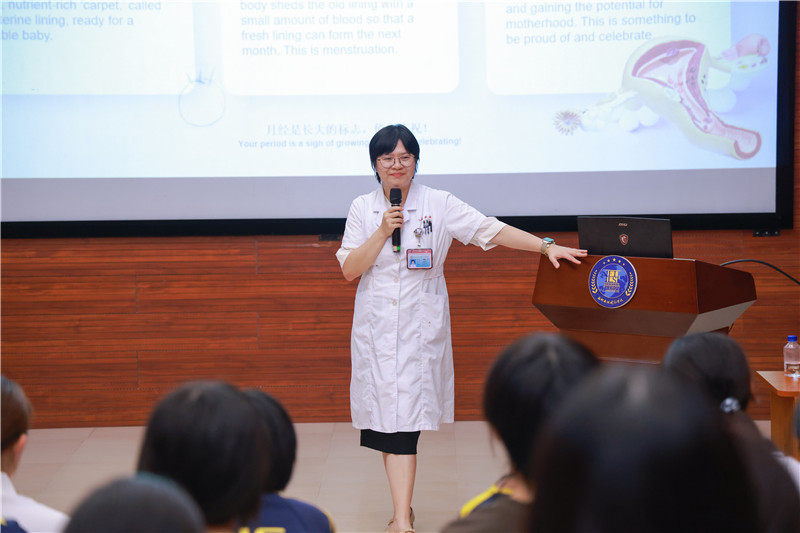
两位医生以专业知识向MYP学子一一解释青春期身心变化:身高激增、青春痘烦恼、变声期来临、身体发育、情绪过山车、性相关探索欲望……那些大家感到困惑、或不好意思摆在台面上与家人朋友讨论的话题——什么是月经、如何应对经期不适?遗精是正常的吗?为什么会这样?——都在医师们全面、风趣而不乏温度的讲解下,变得「可以言说」。
Drawing on their professional expertise, the two doctors explained the physical and emotional changes of puberty to the MYP students one by one: growth spurts, acne, voice changes, physical development, emotional roller coasters, and curiosity about sexuality… Topics that students often find confusing or are too embarrassed to discuss openly with family and friends—what is menstruation, and how can one cope with menstrual discomfort? Is nocturnal emission normal? Why does this happen?—All of these topics became “talkable” thanks to the doctors’ comprehensive, humorous, and empathetic explanations.
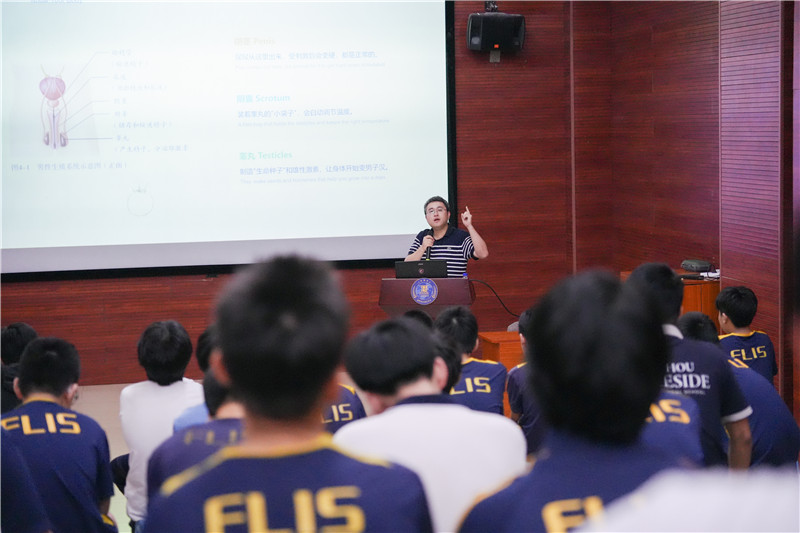
了解相应知识是性教育解惑的第一步,当天,两位医生不仅解释概念,还传授了不少应对的方法,诸如饮食习惯、生活习惯的调整,以及青春期探索过程中,若在网络上发现暴力低俗信息、或在现实生活中面对霸凌现象,该如何处理。他们以经验之谈鼓励学子建立身体边界、尊重他人,勇敢拥抱变化,多与家人亲朋交流,好好照顾自己。
Gaining the relevant knowledge is the first step in addressing questions about sexuality education. On that day, the two doctors not only explained key concepts but also shared numerous coping strategies, such as adjusting dietary and lifestyle habits, as well as how to handle situations—such as encountering violent or vulgar content online or facing bullying in real life—during the process of exploring puberty. Drawing on their own experiences, the two doctors encouraged the students to establish personal boundaries, respect others, bravely embrace change, communicate openly with family and friends, and take good care of themselves.
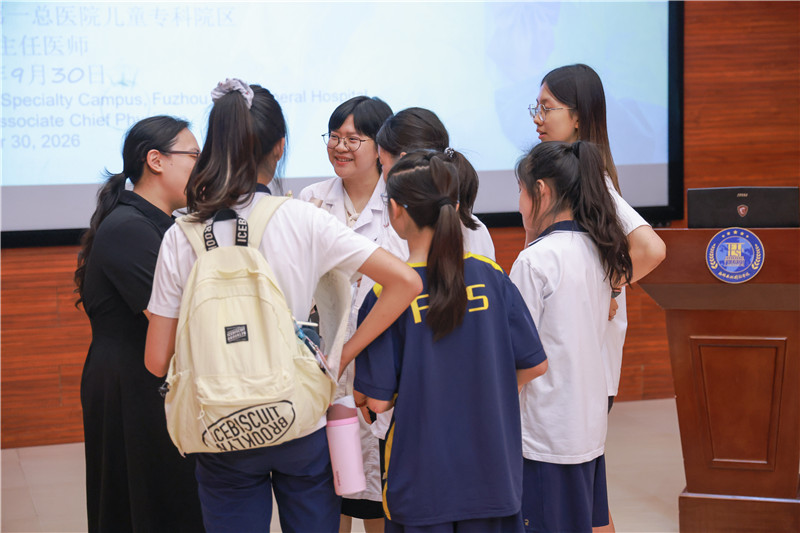
还有一点值得注意,青春期是一个持续数年的漫长过程,在场有些学子已经感受到了大量身心变化、也有些学子尚未迎来发育,二者可能都会因此担心自己成了异类,感到不知所措。对此,医生以花朵不同的花期为喻,表示每个人的长大节奏不同,不用比谁快谁慢。香港卫生署性教育资料中亦注明,在年纪相仿的男孩与女孩之中,各人发育时间会有所不同,而发育的早与迟受遗传、营养、气候及运动等因素影响。若认为自己出现早熟或晚熟的情况,可请教医护人员。
Another point worth noting is that puberty is a long process that spans several years. Some of the MYP students here have already experienced significant physical and emotional changes, while others have not yet entered puberty. Both groups may worry that they are different from others and feel at a loss. In response, the doctor used the analogy of flowers blooming at different times to explain that everyone grows at their own pace, and there’s no need to compare who is faster or slower. The Hong Kong Department of Health’s sex education materials also note that puberty takes place at a different pace among boys and girls of the same age. Puberty taking place earlier than the normal age range is called precocious puberty. While the opposite is called delayed puberty. The onset of puberty is affected by factors such as genes, nutrition, climate and exercise. Seek medical advice if you have queries.
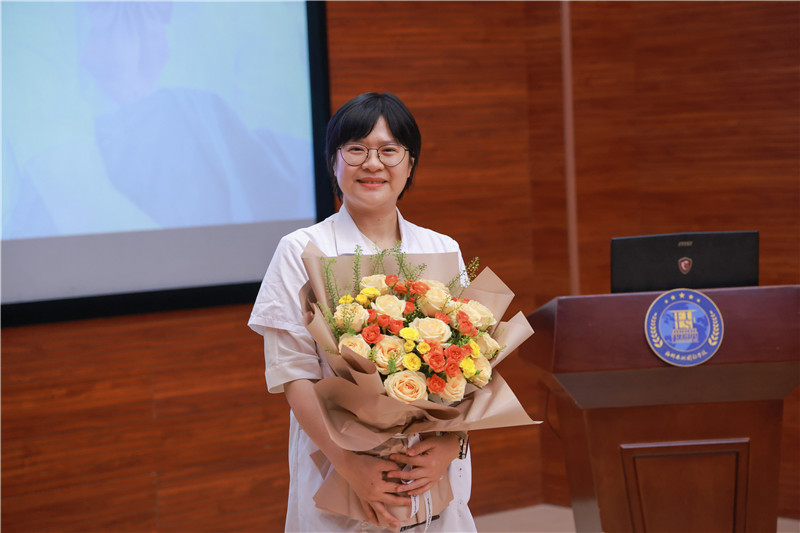
性教育也是另一种形式的成长教育。世界卫生组织认为,全面性教育的重要性也体现在它可以帮助年轻人反思社会规范、文化价值观和传统观念,以便更好地理解和处理他们与同龄人、父母、教师、其他成年人及其社区的关系。作为IB MYP世界学校,FLIS期待学子们能从中获益,发挥IB学习者善于思考、关爱他人、坚守原则、知识渊博等特质,学习相关知识,理性讨论相应话题,平稳度过激荡的青春期。我们下期FLIS TALK再见!
Sexuality education is a form of growth education. The World Health Organization believes that Comprehensive Sexuality Education is also important as it can help young people reflect on social norms, cultural values and traditional beliefs, in order to better understand and manage their relationships with peers, parents, teachers, other adults and their communities. As an IB MYP World School, FLIS looks forward to students benefiting from this program, embodying IB Learner Profile traits—such as Thinkers, Caring, Principled, and Knowledgeable—while acquiring relevant knowledge, engaging in rational discussions on related topics, and navigating the turbulent years of puberty with ease. See you in the next issue of FLIS TALK!
No.72 North Meng Shan Road, Gulou District, Fuzhou, Fujian Province, China
地址:中国福建省福州市鼓楼区北梦山路72号
0591-28066277 0591-83155555
