
Focusing|FLIS IB MYP研学:春日上茶山!一片土地的多重调研可能
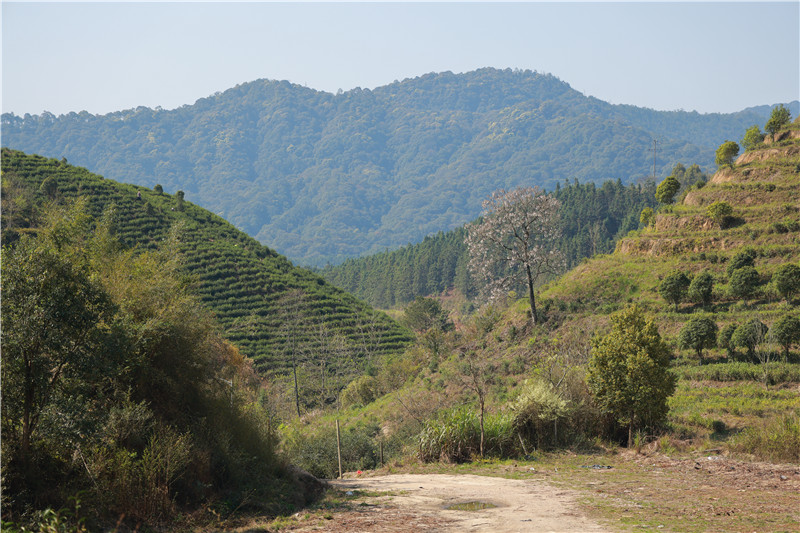
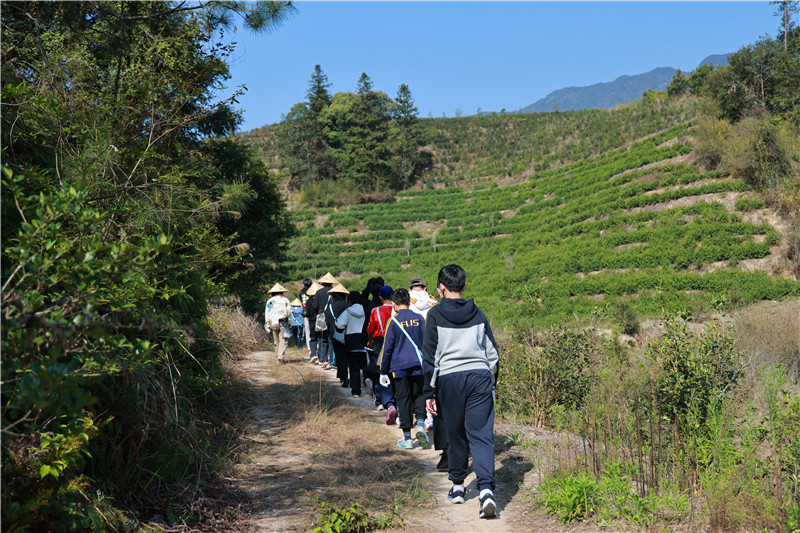
过去两周,福州西湖国际学校MYP学子陆续前往将乐天籁蛟湖国际研学基地,开启因地制宜的研学之旅。彼时春光正盛,乡野逐渐褪去秋冬萧瑟,万象更新,水田与茶山上均可见农人忙碌其间,丰富的自然资源为研学奠定了基础。就在将乐当地一座占地500亩、经多年有机肥浇灌改善土壤土质,适宜多种茶叶种植的茶园里,FLIS学子展开了多重调研。
Over the past two weeks, MYP students from Fuzhou Lakeside International School have been visiting the Jiao-Hu Skylark Field Studies Center in Jiangle to embark on a site-specific study trip. Spring was in full bloom at the time, with the countryside gradually shedding the bleakness of autumn and winter and bursting with new life. Farmers could be seen hard at work in the paddy fields and on the tea mountains, and the region’s abundant natural resources provided the perfect backdrop for the field study. In a 500-mu native tea plantation—where years of organic fertilization had improved the soil quality, making it ideal for growing various tea varieties—FLIS students conducted a range of research activities.
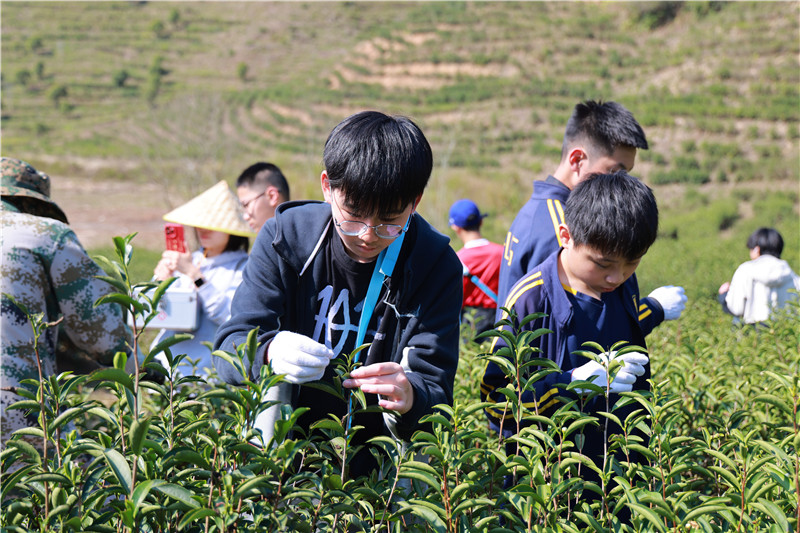
MYP3学子首先在数学课上了解了“样本”、“总体”和“平均数”的概念。上茶山以后,学子分组在不同样本地域采摘茶叶并称重,同时记录如坡度、光照等环境变量。根据采集到的数据,他们还将计算各区域单位面积的平均产量,由此提出各种假设、撰写数学探究报告。
In their mathematics class, MYP3 students first learned about the concepts of “sample,” “population,” and “mean.” After arriving at the tea plantation, the students worked in groups to pick tea leaves in different sample plots and weigh them, while also recording environmental variables such as slope and sunlight. Using the collected data, they calculated the average yield per area for each zone, proposed various hypotheses, and wrote structured mathematical reports.
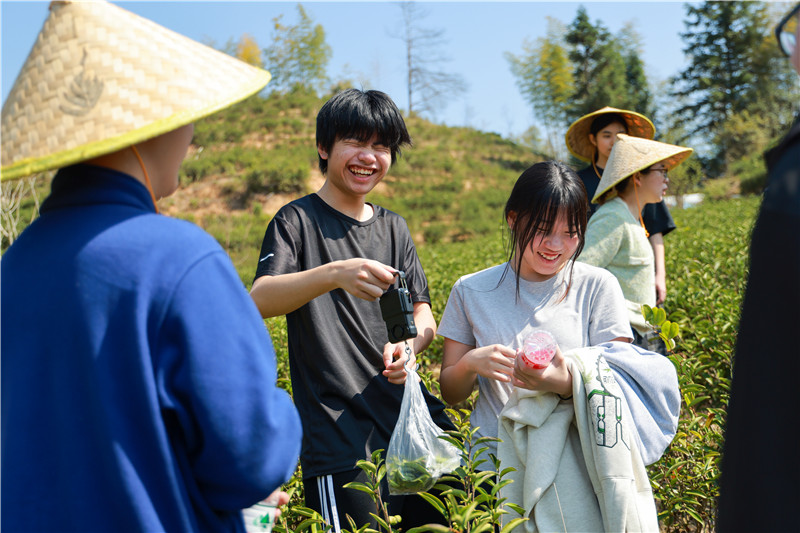
人文与社会课同样将课堂搬到了这座茶园。经济及各类保护政策与土地利用政策之间存在怎样的关联?MYP3学子怀揣这一疑问,从土地利用、生态多样性及经济效益三个层面出发,对茶园负责人进行了详尽的访谈。为何选择在这座山上种茶、而非稻谷、玉米花生等农作物?市场不同品种茶叶价格变化会影响茶园种植决策吗?如何看待“绿色沙漠”这一概念?回到校园后,中学生们还将收集到的答案、在茶园采集的素材与自己对课程主题的反思剪辑成了纪录片,作为这一阶段的研学小节。
Individual and Society also moved its lessons to this tea plantation. How does the economy relate to any preservation policies and those of land use policies? With this question in mind, MYP3 students conducted in-depth interviews with the tea plantation manager, examining three key aspects: land use, ecological diversity, and economic benefits. Why was tea chosen for cultivation on this mountain rather than crops such as rice, corn, or peanuts? Do fluctuations in market prices for different tea varieties influence planting decisions? How do they view the concept of a “green desert”? Upon returning to school, the students edited the answers they gathered, the footage collected at the tea plantation, and their own reflections on the lesson theme into a documentary, serving as the culmination of this phase of their inquiry-based learning.
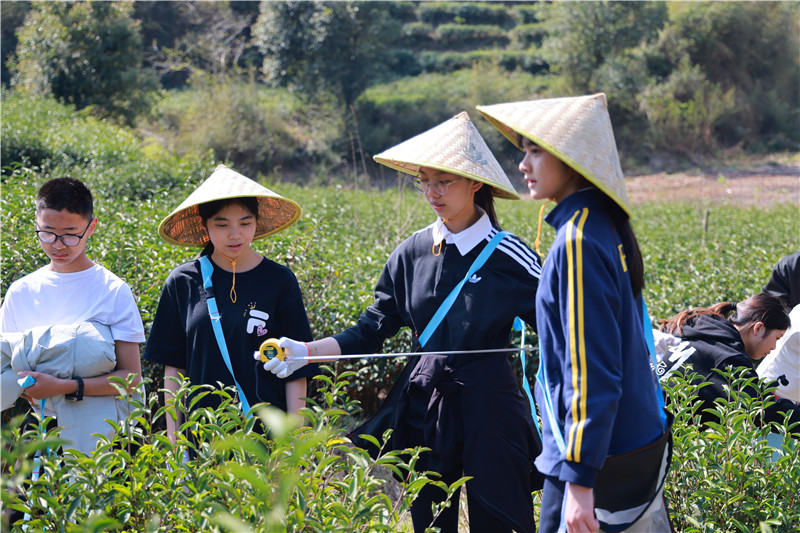
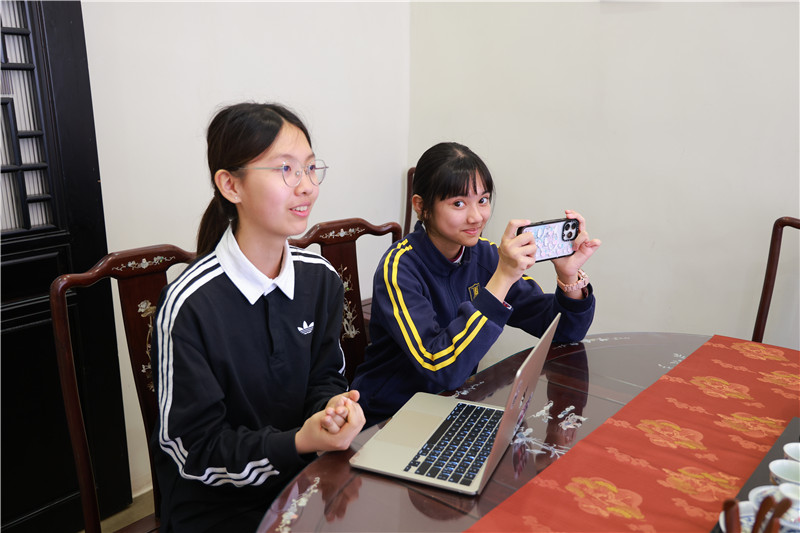
MYP5学子则探究了生物与化学之间的联系。通过挖掘不同区域土壤并测定酸度,他们将评估环境因素对“生物”过程的影响——泥土酸度如何影响茶叶生长?学子得出了自己的结论,并对茶园提出改进建议。
MYP5 students explored the connection between biology and chemistry. By collecting soil samples from different areas and measuring their acidity, they assessed how environmental factors influence biological processes—specifically, how soil acidity affects tea plant growth. The students drew their own conclusions and proposed recommendations for improving the tea plantation.
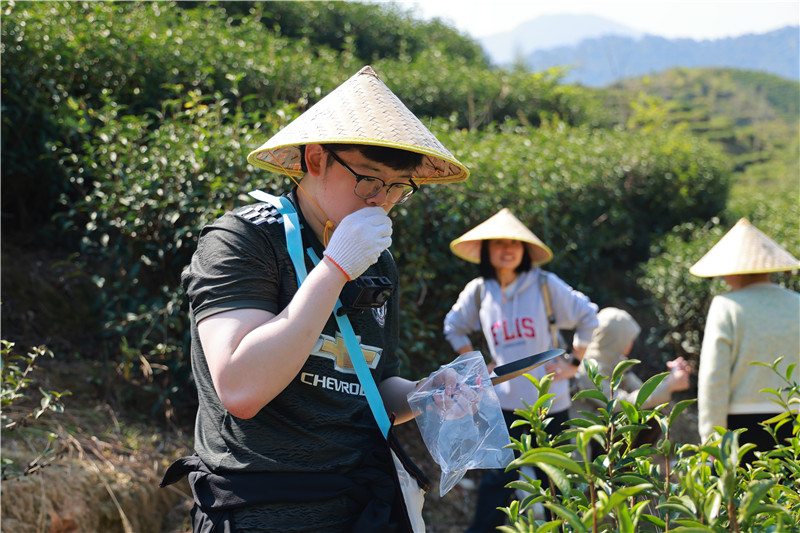
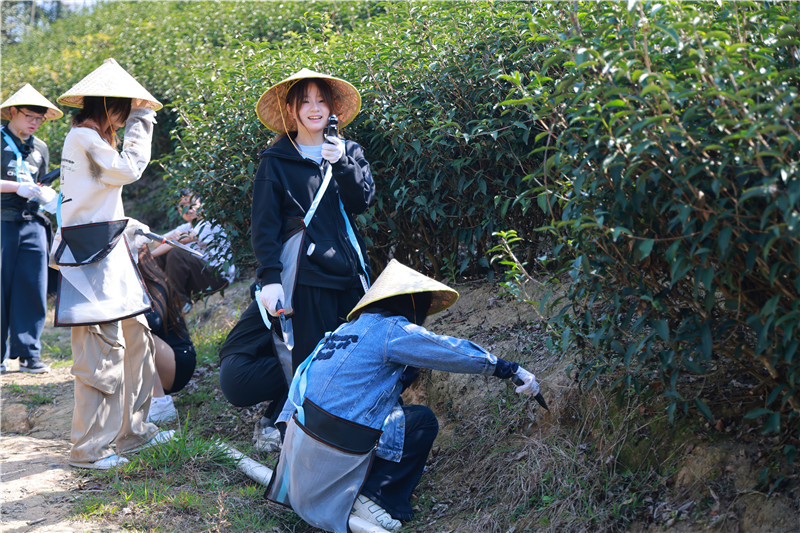
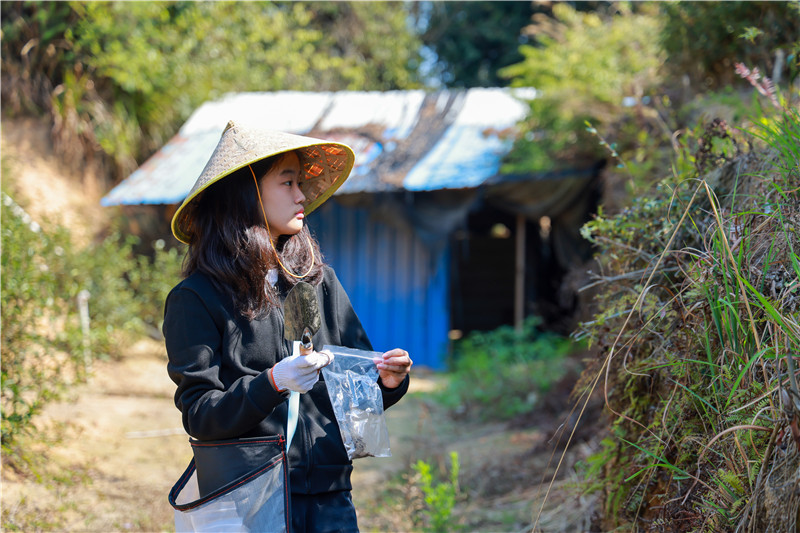
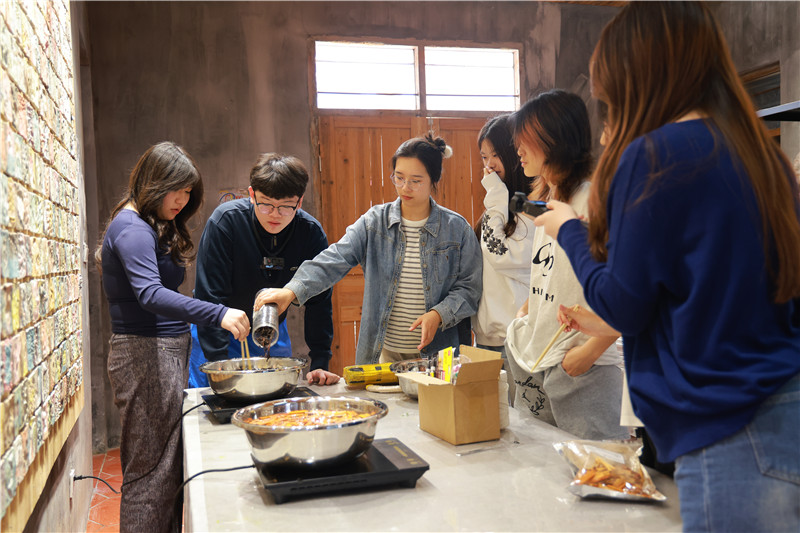
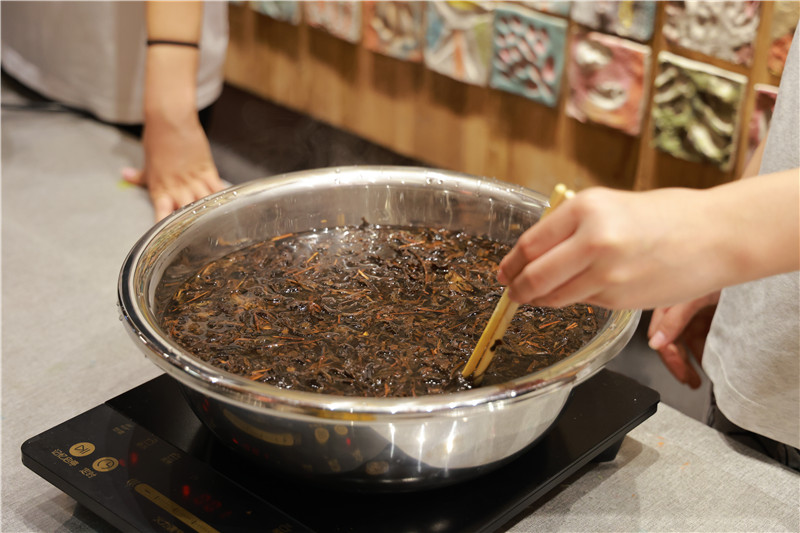
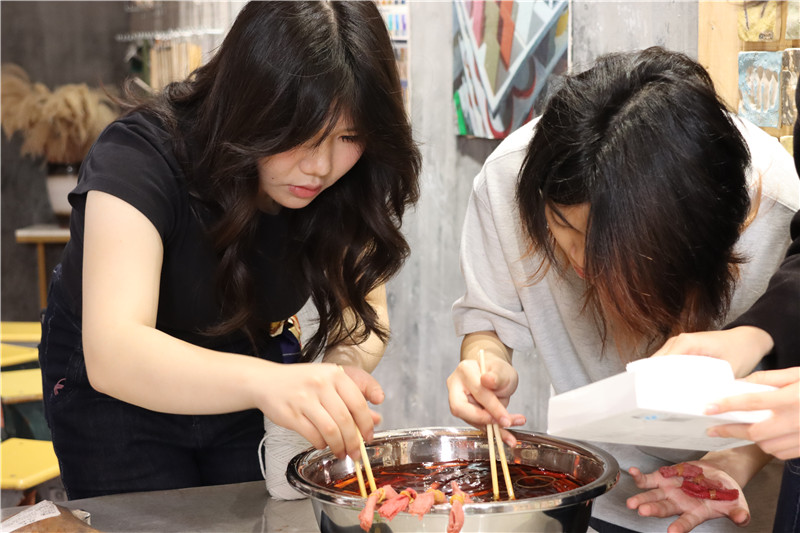
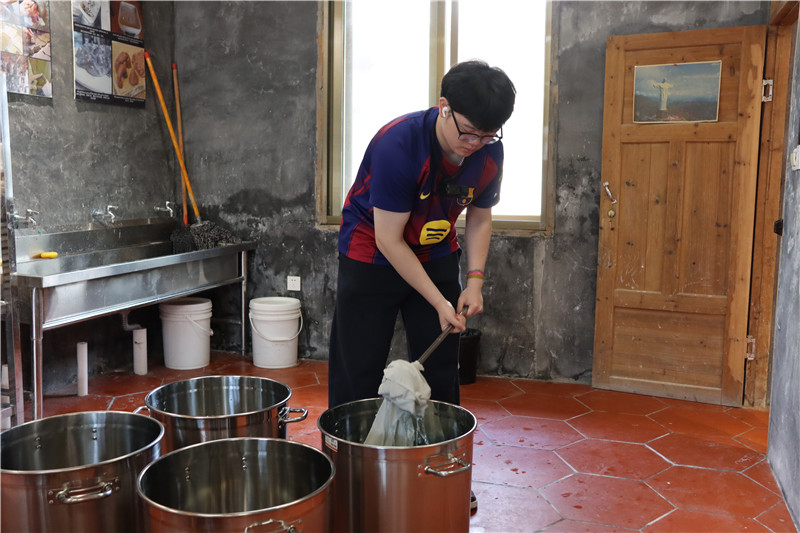
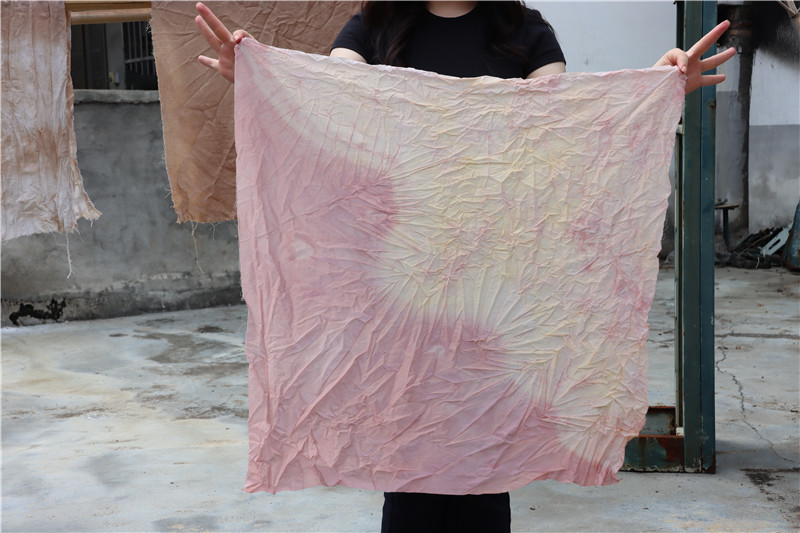
这座每年稳定产出乌龙茶、安吉白茶、梅占、小菜茶的茶园还为艺术课提供了绝佳的染布材料。草木染主题课程中,MYP5学子分别用苏木、竹叶与茶叶制作天然染液,其中茶叶就出自该茶园。为令染色效果更明显、色彩更持久,学子还用上了蓝矾、明矾、白醋等媒染剂,结合扎染工艺,完成了别具一格的特色染布。
This tea plantation, which consistently produces Oolong tea, Anji White Tea, Meizhan, and Xiaocai tea each year, also provides excellent materials for fabric dyeing in art classes. In the plant dyeing course, MYP5 students created natural dye bath using sappanwood, bamboo leaves, and tea leaves—the latter sourced directly from this tea plantation. To enhance the dyeing effect and ensure color longevity, the students also employed mordants such as copperas, alum, and white vinegar. Combining these with the tie-dyeing technique, they produced uniquely distinctive dyed fabrics.
同一片茶山之上,数学、人文与社会、科学、艺术等学科都找到了独特的切入角度,学子在观察、理解自己身处的环境之余,也展现了跨学科探究的多维视角。这一过程中,批判性思考、合作能力与创造性思维等IB学习方法(ATL Skills)更得到了综合锻炼。
On the same tea plantation, disciplines such as Mathematics, Individual and Society, Sciences, and Visual Art have each found their own unique angle of approach. While observing and understanding their surroundings, students have also demonstrated a multidimensional perspective through interdisciplinary learning. Throughout this process, IB ATL Skills—including critical thinking, collaboration, and creative thinking—have been comprehensively honed.
本次MYP研学已圆满落幕,期待大家的下一次出发,在更广阔的世界中持续探索、成长!
This MYP study trip has come to a successful conclusion. We look forward to our next journey together, continuing to explore and grow in the wider world!
No.72 North Meng Shan Road, Gulou District, Fuzhou, Fujian Province, China
地址:中国福建省福州市鼓楼区北梦山路72号
0591-28066277 0591-83155555
